01
The Question
What's the meaning of life? Why is there pain and suffering? How do you balance justice and love?
About This Conversation
What's the meaning of life? Why is there pain and suffering? How do you balance justice and love? These "accursed questions" have haunted humanity for centuries. Fyodor Dostoevsky sought to answer these questions through his characters' lives. His answers are prophetic for our time.
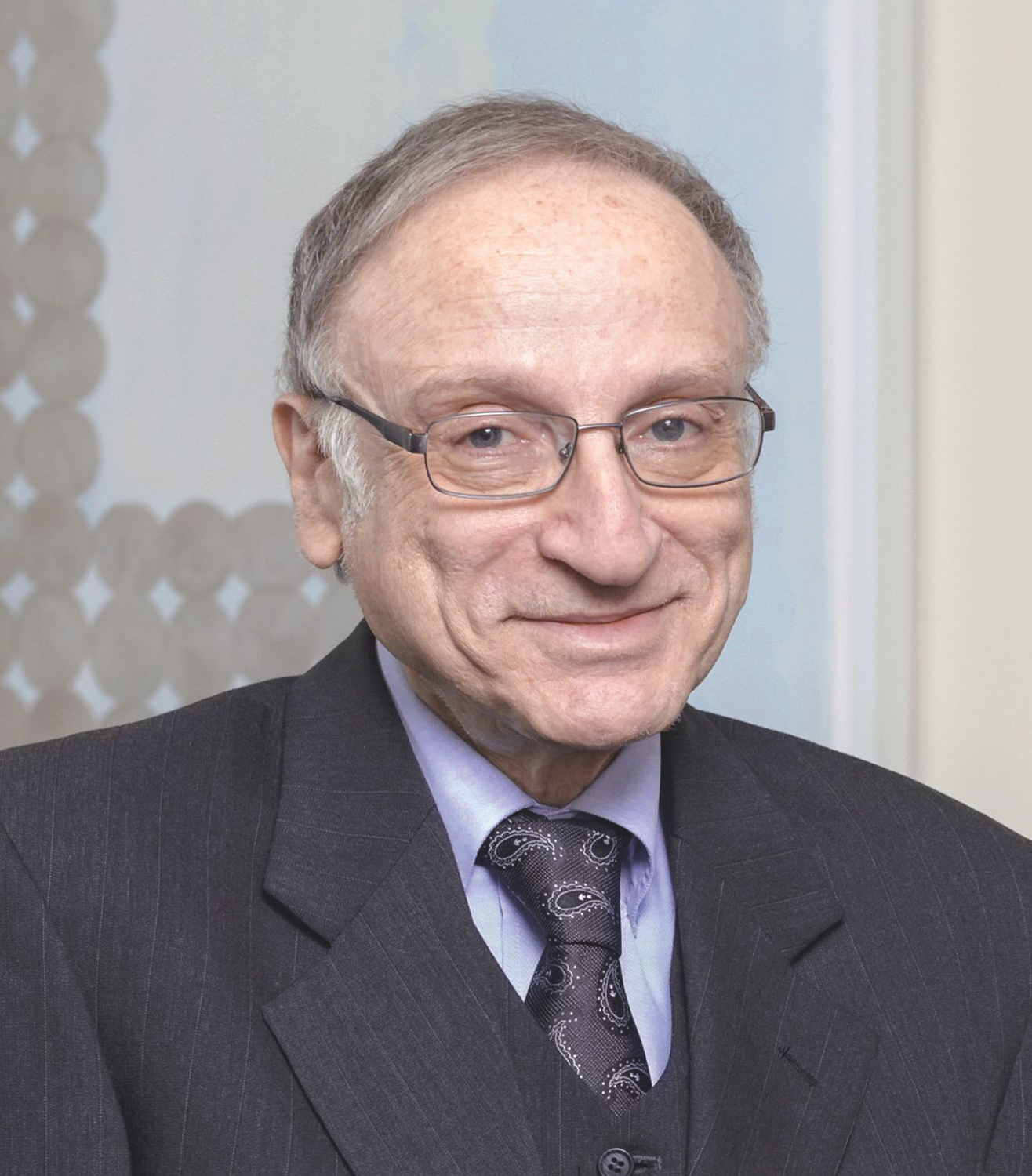
In this episode, I sit down with Northwestern University professor of Russian literature Gary Saul Morson. We discuss what Dostoevsky reveals about developing intellectual honesty, how to deal with suffering and brokenness, as well as his arguments for and against God.
His latest book, Wonder Confronts Certainty: Russian Writers on the Timeless Questions and Why Their Answers Matter, sets the stage for this interview.
Conversation Map
A guided path through the source-provided topic list for this episode.
02
Dostoevsky's Intellectual Honesty with Faith
03
Battle-Testing Worldviews through Fiction
04
The Dangers of Abstracting Individuals
05
Notes from Underground: Human Freedom vs Determinism
06
The Core of Ethics: Human Surprisingness
Recurring Questions
Recurring Question
"What books have had an impact on you?"
For Young Listeners
"What advice do you have for teenagers?
Resources Mentioned
- Wonder Confronts Certainty: Russian Writers on the Timeless Questions and Why Their Answers Matter
Guest Bio
Gary Saul Morson is Lawrence B. Dumas Professor of the Arts and Humanities and Professor of Russian Literature at Northwestern University. His 21 authored or edited volumes and 300 shorter publications have examined major Russian writers, the philosophy of time, the role of quotations in culture, great aphorisms, and the ultimate questions about life taken seriously in Russian literature.
His classes on Russian writers in translation have enrolled over 500 students, and he is the recipient of numerous teaching and research awards. Morson writes regularly for numerous national publications, including The New York Review of Books, The Wall Street Journal, Commentary, First Things, Mosaic, and several others. He was elected to the American Academy of Arts and Sciences in 1995
Related Conversations